Nocturnal Wildlife and Golden Jackals: Winter in the Danube Delta
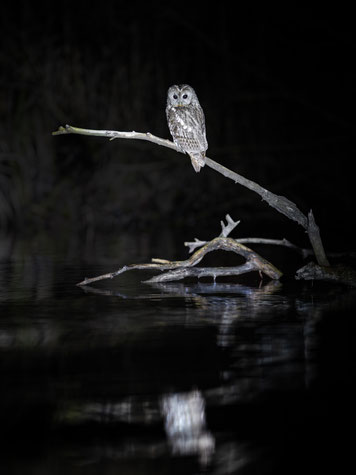
Photography in the Danube Delta in February is a demanding but rewarding experience. Photos were taken from a small and open boat and the cold was manageable thanks to plenty of blankets, heatpacks, winter gear and good planning.
Wildlife at night was mainly located using a thermal imaging camera in combination with a powerful LED lamp from the boat. In dense fog, however, the performance of the thermal camera was noticeably reduced, and animals were much harder to detect at greater distances, which limited our search efficiency. Luckily, we didn't have fog too often.
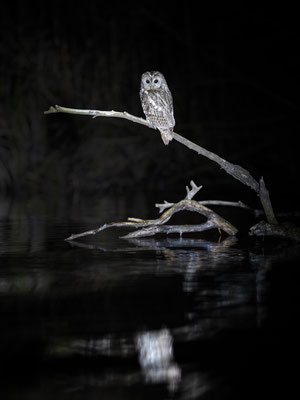
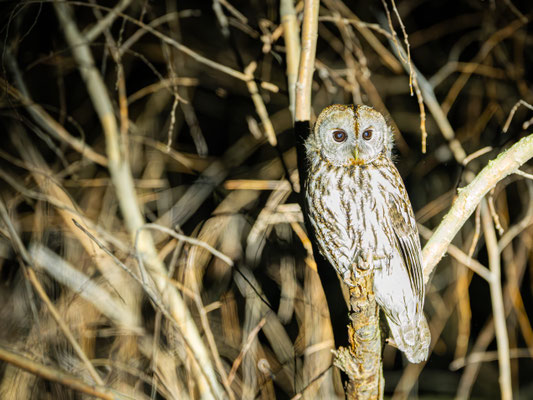
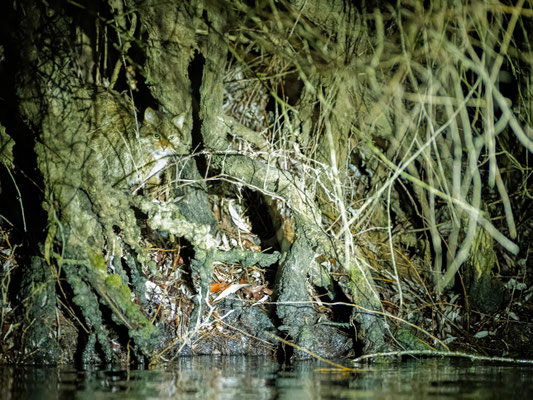
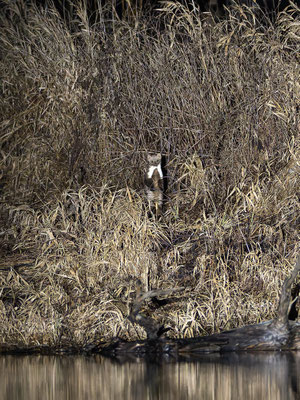
The night excursions on the river produced some of the most memorable encounters. We frequently observed tawny owls (Strix aluco, Waldkauz) perched quietly in riverside trees. On a few occasions, we were lucky enough to see the European wildcat (Felis silvestris, Wildkatze). As expected, these cats were extremely shy and usually disappeared within seconds, leaving only a brief chance to recognize their characteristic shape and movement.
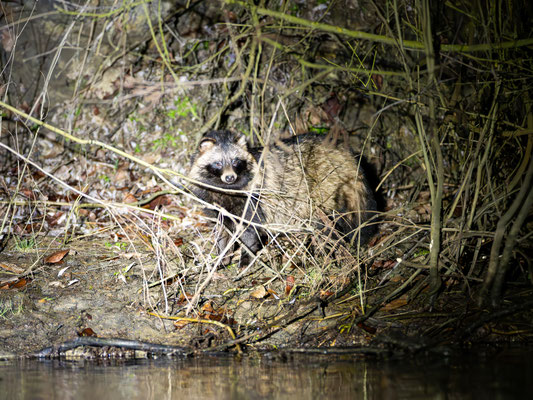
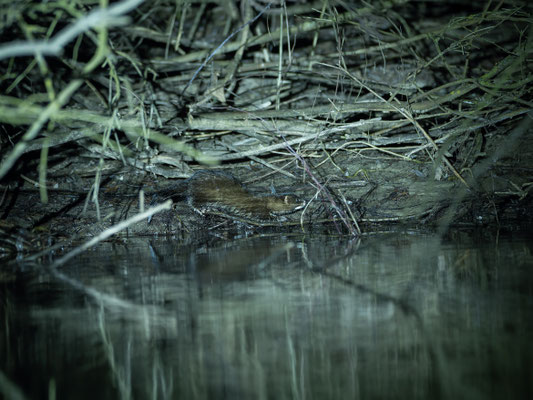
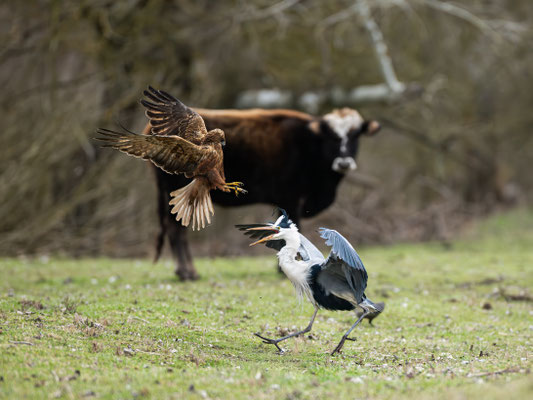
Other mammals and birds added to the diversity of the trip. Raccoon dogs (Nyctereutes procyonoides, Marderhund), minks and martens (Martes martes, Baummarder) appeared along the banks. White‑tailed eagles (Haliaeetus albicilla, Seeadler) were sleeping, as well as various herons (Ardea spp., Reiher). Small swimming mice (Apodemus spp., Waldmäuse) crossing narrow side channels were an unexpected highlight and illustrated how rich the wetland ecosystem remains, even in the cold season.
From a photographic point of view, the conditions were often challenging. Many animals reacted sensitively to the light and moved away quickly. Because of the low light levels, I mainly used the Nikon 200 mm f/2, which provided a combination of high light‑gathering power and fast autofocus that was essential for these fleeting encounters.
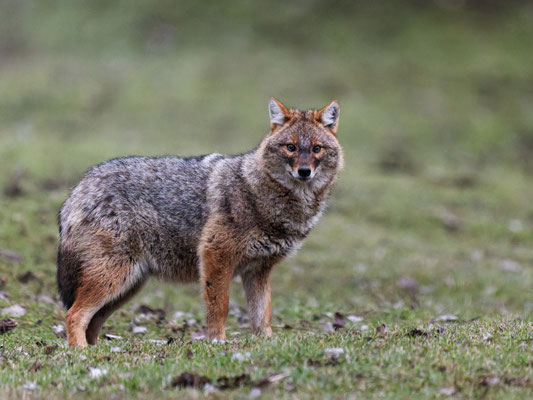
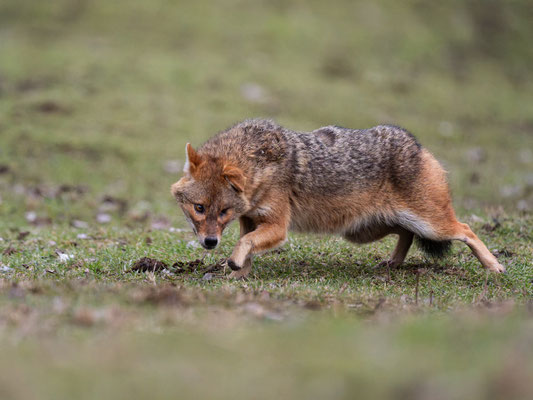
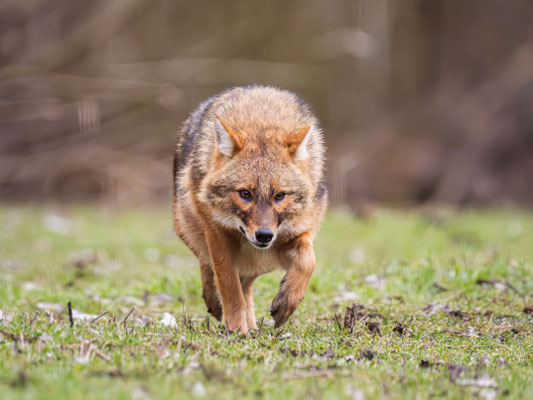
Golden jackals (Canis aureus, Goldschakal) have been present in the Danube Delta since at least the 1970s, following an immigration wave from Bulgaria and the Caucasus region. Climate change, with generally milder winters, and suitable migration corridors along the Danube have supported their continued expansion into and through the delta. Today, the species is firmly established in large parts of southeastern Europe, with the Danube Delta acting as an important stronghold.
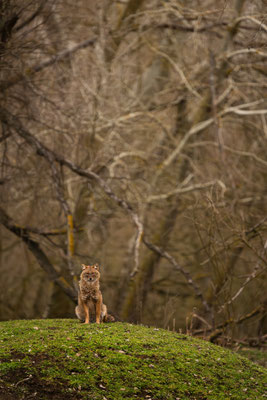
We photographed the golden jackals from a hide on the edge of the forest during daylight. The animals were extremely cautious and constantly scanning their surroundings, which made it clear that they regularly experience disturbance and perhaps hunting pressure. One individual in particular left a strong impression: it appeared to have lost a foot, most likely in a trap, yet moved with surprising agility. Moments like this highlighted both the adaptability of the species and the risks it faces in human‑dominated landscapes.
The most beautiful sequences were those quiet minutes when one or several jackals rested on a small hill in front of the forest. In these situations, their body language changed; they seemed more relaxed and interacted with each other in a more natural way. For photography, this meant enough time to observe behaviour, adjust composition, and work with the subtle winter colours of the delta.
Overall, the combination of cold winter conditions, intensive night work from the boat, and the use of thermal imaging made this trip a very special experience. It required flexibility and tolerance for technical limitations, especially in fog, but rewarded us with rare and intimate encounters with nocturnal wildlife. The guiding by Sakertours in the Danube Delta was excellent, and the travel arrangements through Lifetravel worked smoothly, allowing us to focus fully on observation and photography of this unique wetland landscape.