Winter Arrival Road Trip: Birding from the Inn Valley to Lake Constance
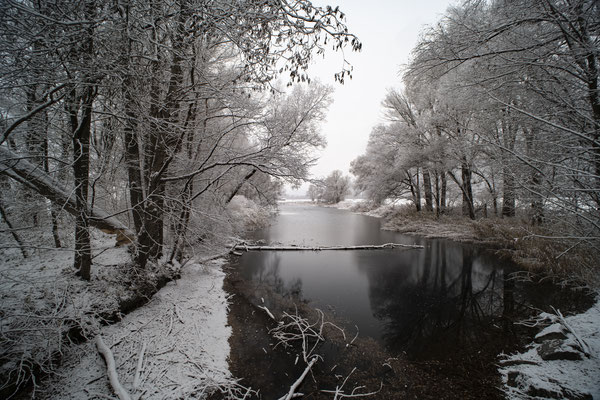
This road trip in late November 2025 was planned as a focused birding tour, timed with the first major onset of winter in the region. Starting from Tullnerfeld, the route followed river and wetland systems along the Inn valley, continued to Lake Constance (Bodensee), and returned via the Chiemsee area.
The first stop was Kirchdorf am Inn. The Inn River held a good number of waterbirds. Typical species included Goosander (Gänsesäger), Tufted Duck (Reiherente), and other diving ducks. The conditions were already wintery, with low temperatures.
Next was Weidmoos, a restored wetland area with a mix of open water, shallow pools, and reed zones. Even in late November, the site supported a range of species. Compared to the Inn, this location offered less activity but more sheltered conditions and closer observation distances.
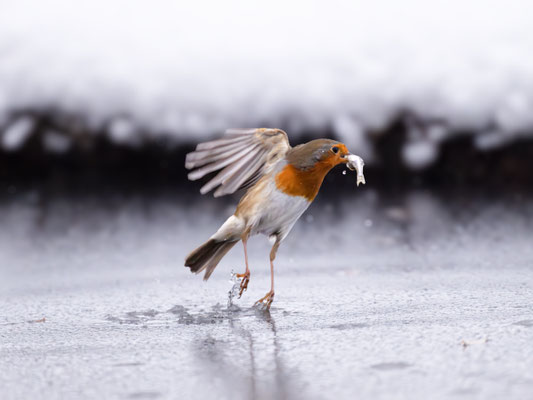
The stop at Gaisau im Inntal provided a more alpine setting. Bird activity was moderate, but one observation stood out clearly: a European Robin (Rotkehlchen) feeding directly at the water’s edge and catching small fish. This unusual fishing behavior made it one of the personal highlights of the trip.
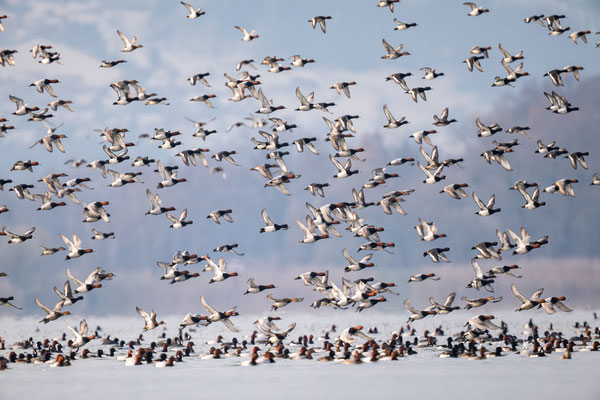
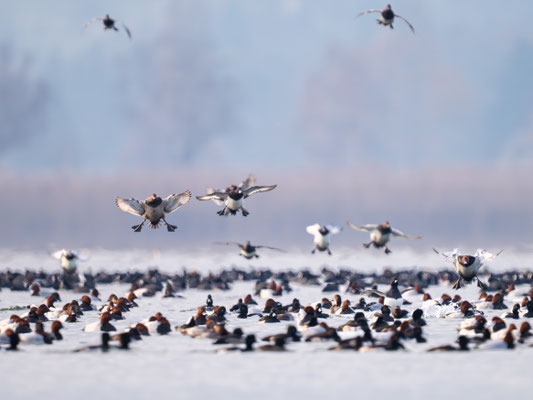
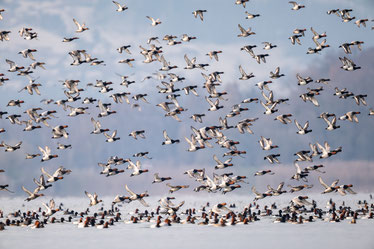
The main destination was the Rhine delta at Lake Constance (Bodensee), where several days were spent birding. This area showed the highest diversity and abundance of the entire trip. Large numbers of wintering waterbirds were present, including Tufted Duck (Reiherente), Common Pochard (Tafelente), Common Goldeneye (Schellente), and Great Crested Grebe (Haubentaucher).
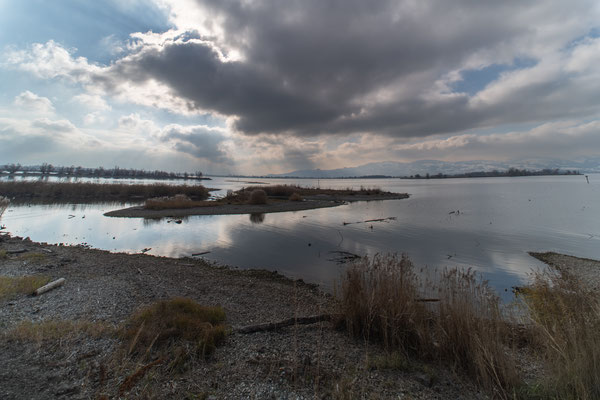
The Rhine delta offers a wide range of habitats, from open lake water to shallow zones, mudflats, and reed beds. This habitat diversity supports high bird densities in winter. The first cold period likely contributed to increased bird numbers, as individuals such as Northern Pintail (Spießente) and Eurasian Wigeon (Pfeifente) moved into the area from colder regions. For observation and photography, the conditions were very good, with many birds concentrated in accessible areas. These days at the Bodensee were the clear highlight of the trip due to both species richness and abundance.
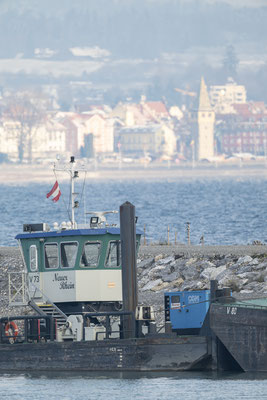
On the return journey, a final stop was made at the mouth of the Tiroler Ache at the Chiemsee. This confluence zone again held a good variety of waterbirds, but they are far away and many people are usually present.