Winter in The Danube Delta
In early February 2026, I spent several days exploring the Danube Delta in eastern Romania. After arriving in Tulcea, our small group—four photographers and an experienced local guide—set off at night by boat through narrow Danube channels toward the fishing village of Mila 23. Even along the way, we caught glimpses of wildlife: European mink, long-eared owls, and even raccoon dogs were found along the channel banks. Night photography was a completely new experience for me, and I used this opportunity to experiment with techniques. I’ll share more about those challenges and solutions in a dedicated post about photographing the Delta at night.
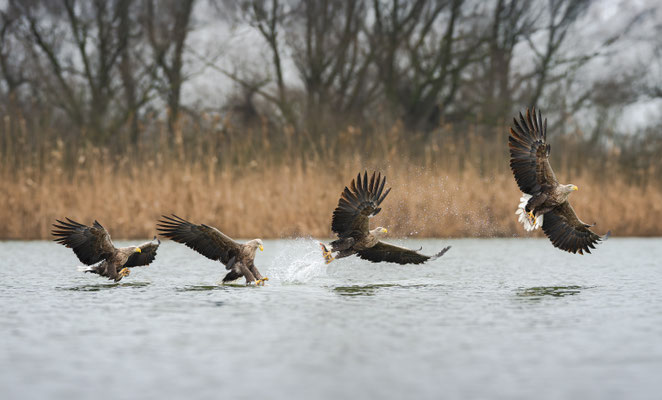
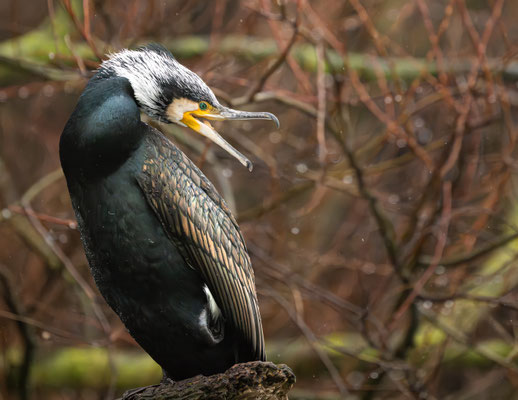
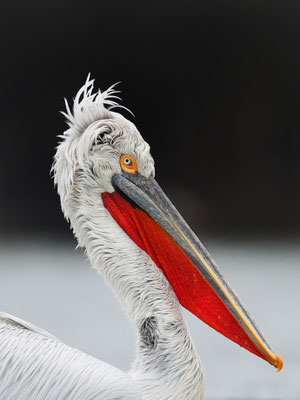
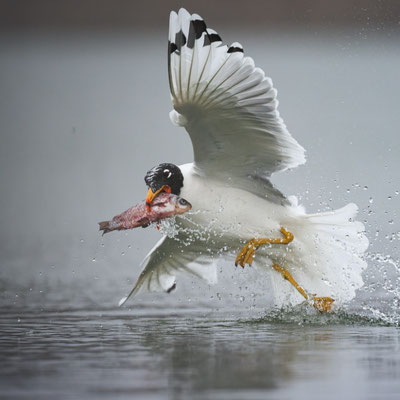
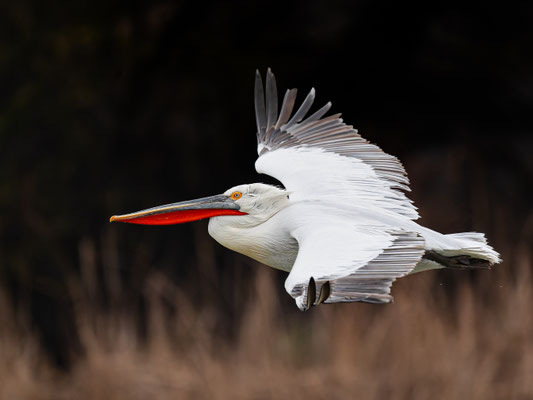
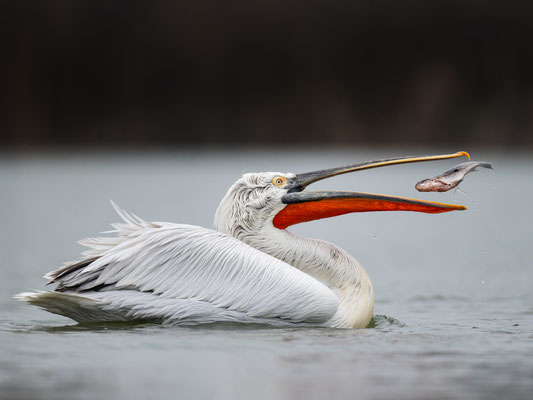
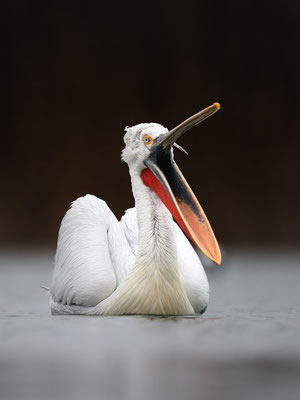
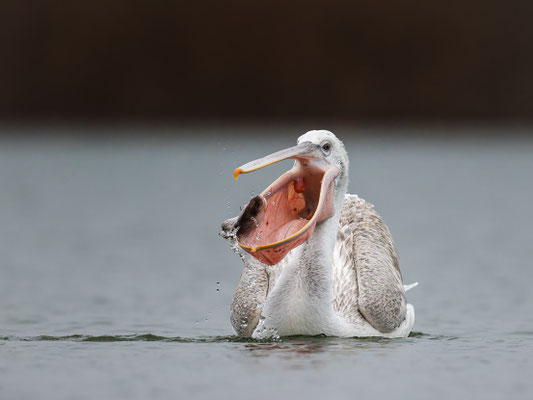
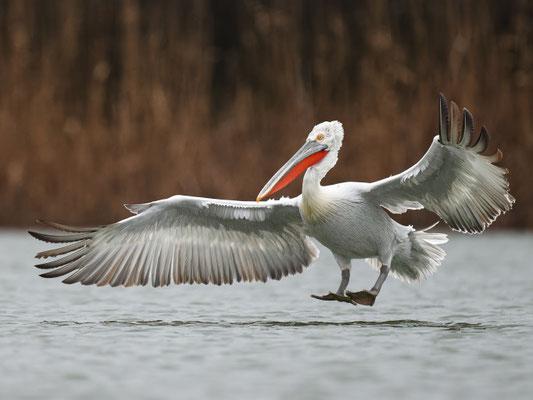
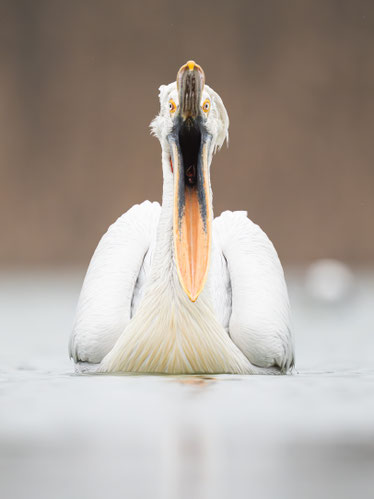
We reached Mila 23 late—around 11 p.m.—and after just a few hours of rest, the next morning started early at a photo hide beside a narrow channel. There, we observed golden jackals emerging cautiously from the reeds. Five individuals appeared if I counted correct, but never all at once. They stayed alert, venturing rather briefly onto the open field before retreating to cover. They seemed most at ease about 80 meters away on a small rise, where they eventually lay down to rest. Other visitors to the hide included marsh harriers and grey herons, both squabbling over the bait placed for the jackals. Winter flocks of starlings, the occasional grey-headed woodpecker, and ever-present magpies rounded out the lively scene. Boat-based bird photography began on the second day, though the conditions were rather tough— steady rain, some fog and low light made a bit of a challenge but in a good way. Much of the Delta had only recently become ice-free; just days earlier, many lakes had still been partially frozen. Ice can be both a help and a hindrance: it concentrates birds around open water but also limits boat access. We explored a number of lakes where hundreds of great cormorants in their black-and-white winter plumage gathered. Pochards, tufted ducks, little grebes, and coots were numerous as well. I was impressed by how wary most birds were, taking flight typically at 150–200 meters—similar to what I experience along the Austrian Danube. Despite the challenging weather, the hours on the water were richly rewarding. The Delta still held surprises, including close encounters with a muskrat and a drumming black woodpecker in a flooded willow stand. The third day brought a true high point. As the morning mist lifted, we found a gathering of several dozen Dalmatian Pelicans—massive, charismatic birds and one of Europe’s rarest breeding species. In winter, the Danube Delta hosts a large proportion of the global population, as these pelicans remain here year-round thanks to abundant fish and ice-free waters. Their bright orange-red gular pouches, only visible during the breeding season, glowed vividly against the grey landscape—a striking reminder that the first signs of spring were already stirring. Nearby, White-tailed Eagles soared and circled low, one diving dramatically for a fish. Another special sighting was of Pallas’s Gulls—large, powerful gulls that migrate from Central Asia to the Black Sea coast for winter. Adult birds in transition to summer plumage already showed the dark head mask forming. They are not especially common, and watching them among more common gulls was a treat.
From a technical side, I relied most of the time on the Nikon Z8 with the 800mm f/6.3 PF, which proved ideal for distant, wary subjects. Only during a few close encounters or when I wanted to show some landscape I switched to the 200mm f/2, mostly without a teleconverter for fast action.