Birds and other Wildlife in the Tullnerfeld
This text is based on my personal observations in the Tullnerfeld and around the Wagram and Wienerwald. So far I have recorded around 100 bird species in the area (Summer 2026), of course, there should be many more, but I am still a beginner :) I plan to update and expand the list as I gain more field experience in the coming years. Some of my photos have a more documentary character, and I also prefer not to post the exact locations of bird observations online. Additionally, I try to use the Ornitho app for documenting sightings on a regular basis, as I have noticed that relatively few people are active south of the Danube in the Tullnerfeld area on this platform.
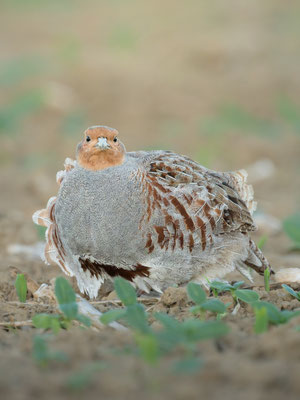
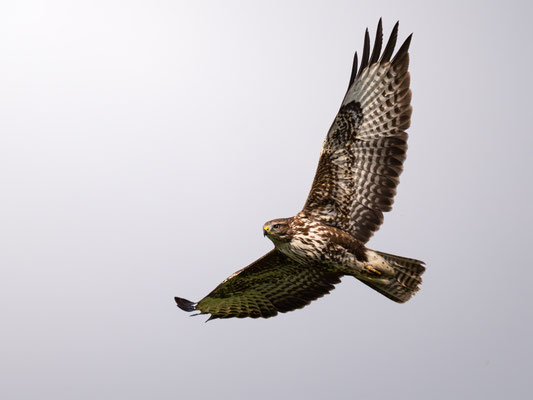
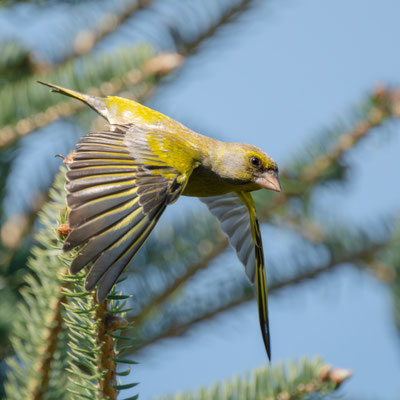
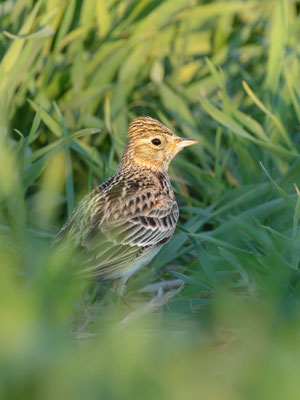
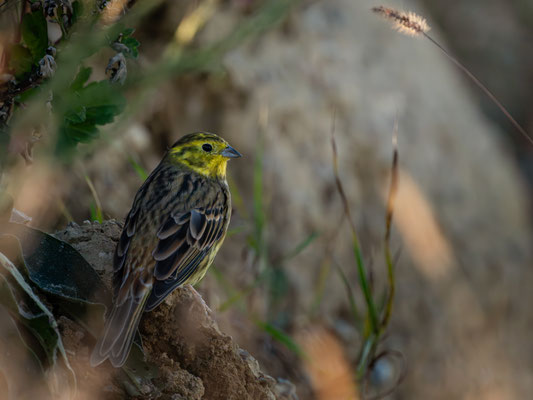
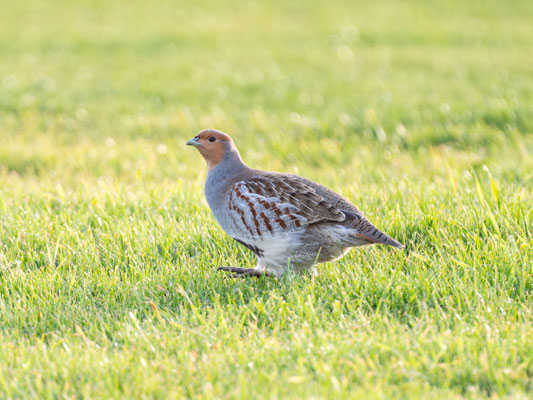
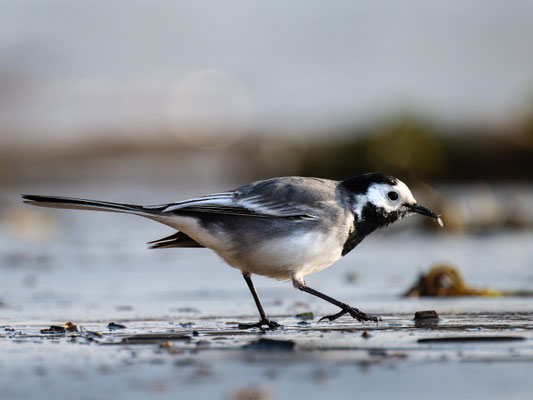
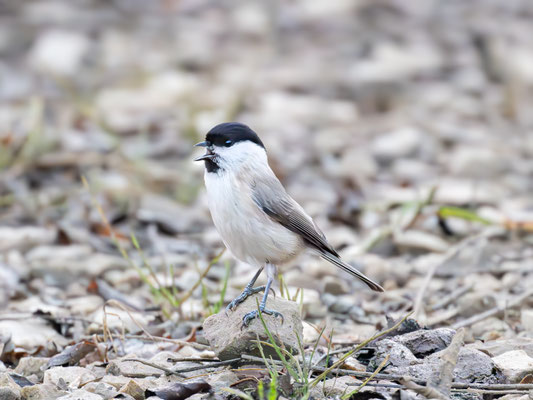
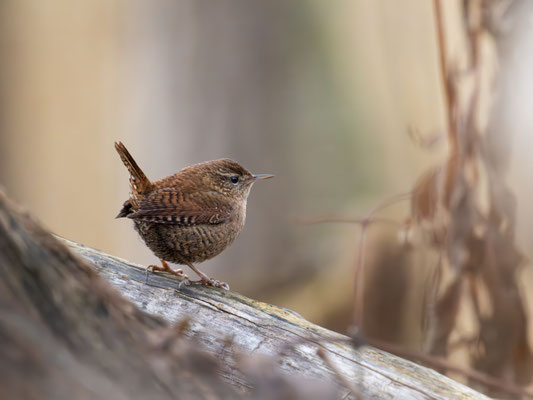
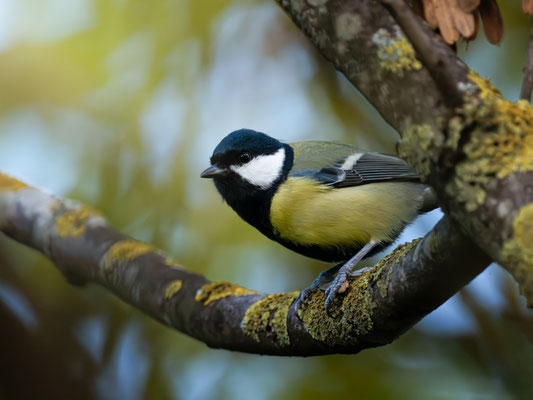
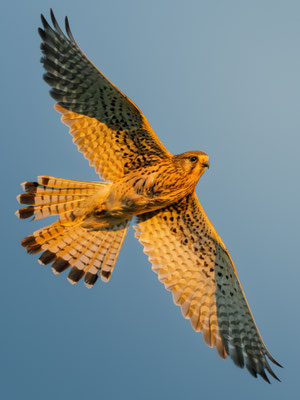
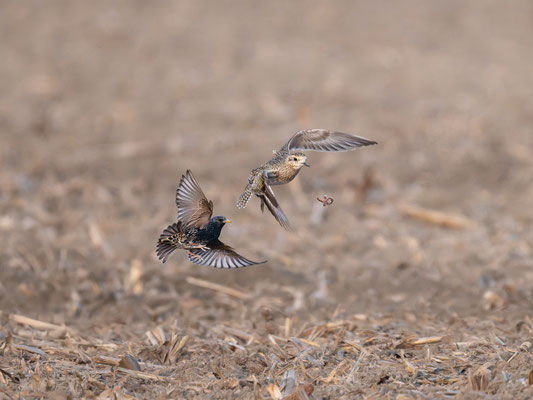
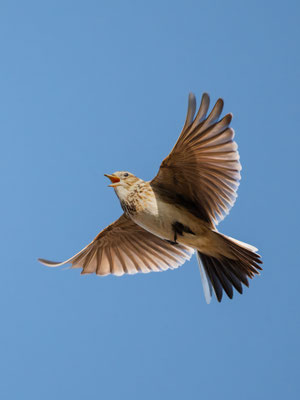
Across the year the Tullnerfeld offers a fairly predictable set of birds if you know where to look. On the open farmland, Common Buzzards (Mäusebussard) on posts and pylons and Kestrels (Turmfalke) hovering over field edges are almost constant features. Crows, Carrion or Hooded Crow (Rabenkrähe / Nebelkrähe), Jackdaw (Dohle) and Magpie (Elster) – work the stubble and grass margins, joined by Eurasian Jay (Eichelhäher), Blackbird (Amsel) and Fieldfare (Wacholderdrossel) along small woods and tree lines. Around villages, hedges and gardens hold Great Tit (Kohlmeise), Blue Tit (Blaumeise), Marsh Tit (Sumpfmeise), Long‑tailed Tit (Schwanzmeise), Wren (Zaunkönig) and Robin (Rotkehlchen), with Goldcrest (Wintergoldhähnchen) moving through conifers and Nuthatch (Kleiber) climbing trunks. Great Spotted Woodpecker (Buntspecht) is widespread; Green Woodpecker (Grünspecht), Middle Spotted Woodpecker (Mittelspecht), Lesser Spotted Woodpecker (Kleinspecht) and especially towards the Vienna Woods, Black Woodpecker (Schwarzspecht) appear from time to time. Gamebirds and small passerines give life to the fields. Grey Partridge (Rebhuhn) and Pheasant (Fasan) are easiest to see in winter and early spring when vegetation is low. Finches and buntings form mixed flocks across the seasons: Goldfinch (Stieglitz), Serin (Girlitz), Yellowhammer (Goldammer), Chaffinch (Buchfink) and in colder months occassionally a Brambling (Bergfink). House Sparrow (Haussperling) and Tree Sparrow (Feldsperling) stay close to farms but regularly spread onto nearby fields in large numbers. In spring and summer Skylark (Feldlerche) is especially obvious; males hang high in display above the crops, while in autumn and winter you mainly notice loose groups flying low or flushing from stubble. Starling (Star), Meadow Pipit (Wiesenpieper) and White Wagtail (Bachstelze) feed on bare ground, with larger Starling flocks building up again after harvest.
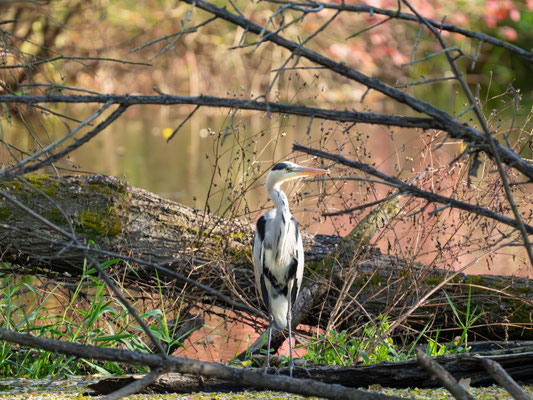
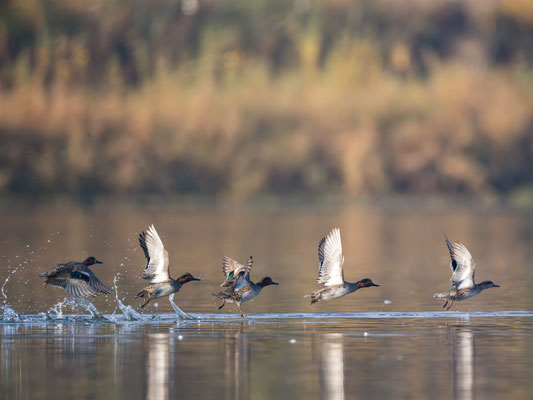
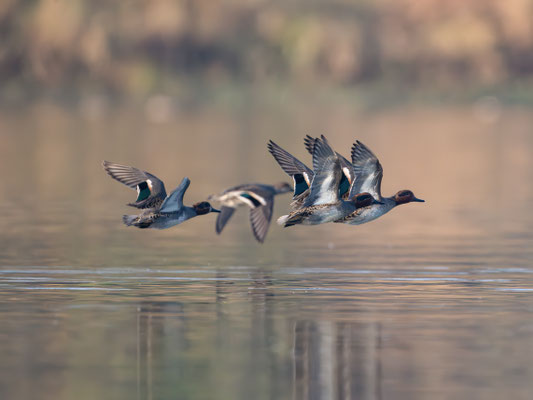
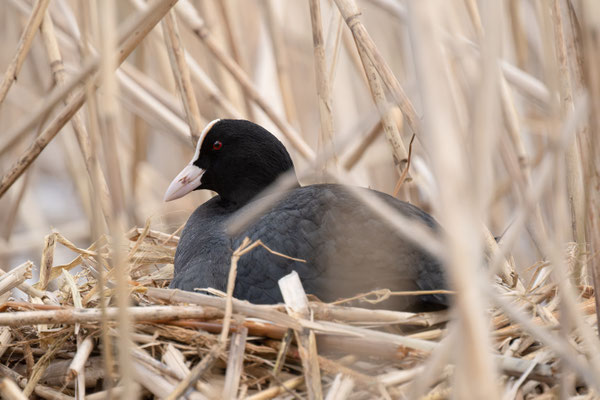
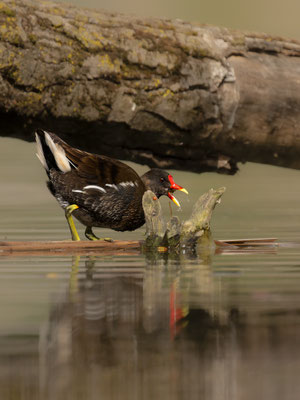
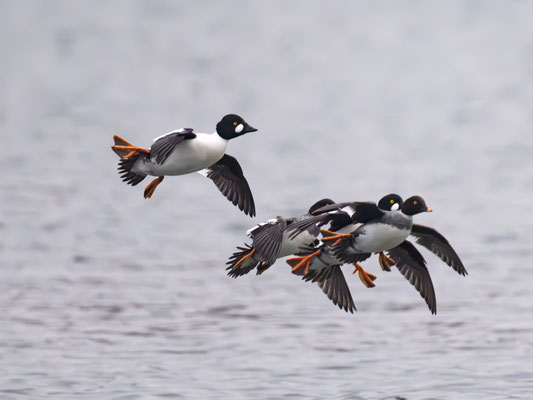
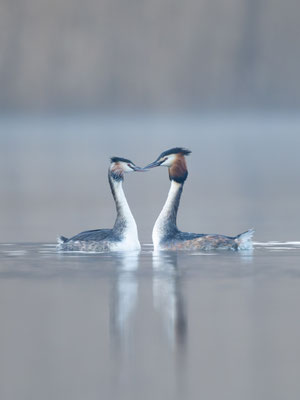
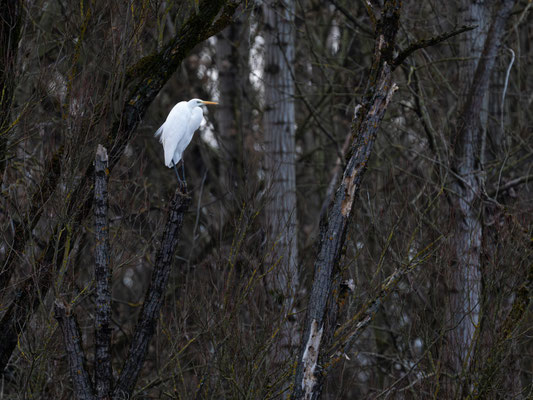
Along the Danube, at channels and ponds, waterbirds dominate. Mallard (Stockente) is present year‑round, joined in autumn, winter and migration by Teal (Krickente), Common Goldeneye (Shellente), few numbers of Shoveler (Löffelente), Tufted Duck (Reiherente), Pochard (Tafelente), Red‑crested Pochard (Kolbenente), Common Shelduck (Brandgans) and Goosander (Gänsesäger). Greylag Goose (Graugans) are common; White‑fronted Goose (Blässgans) and domestic escapes like the Egyptian Goose (Nilgans) appear from time to time. Coot (Blässhuhn) and Moorhen (Teichhuhn) keep close to vegetation but can be watched well on some basins. Great Crested Grebe (Haubentaucher) displays and breeds on deeper water, and in summer carries chicks on its back. Grey Heron (Graureiher) and Great Egret (Silberreiher) stand in the shallows and also in the fields, while Great Cormorant (Kormoran) rests on posts or moves up and down the river.
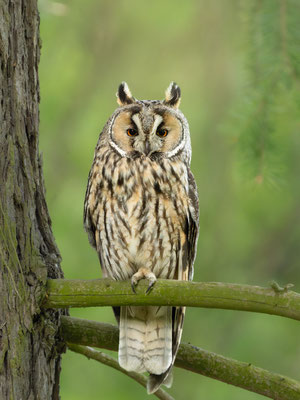
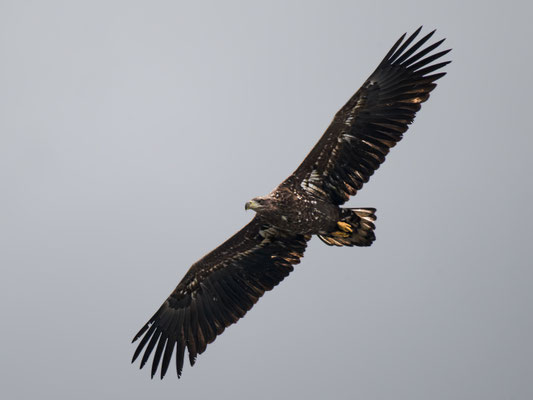
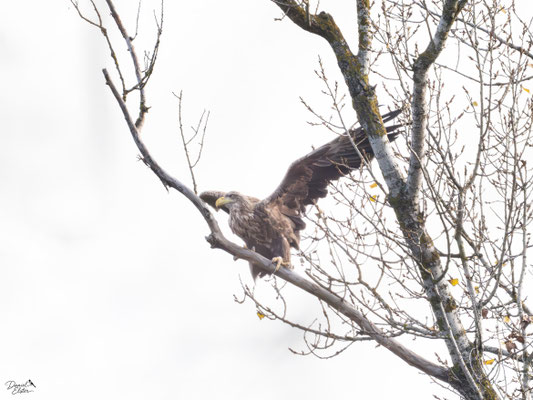
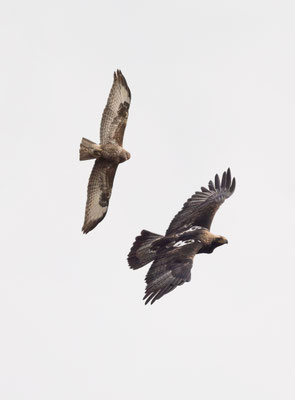
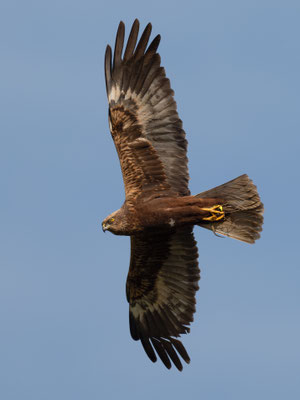
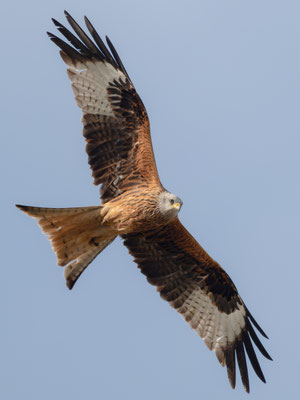
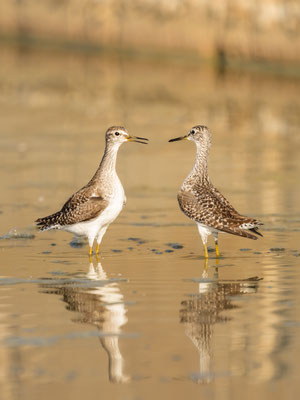
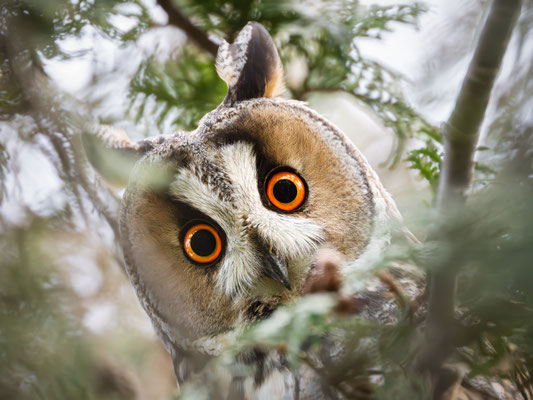
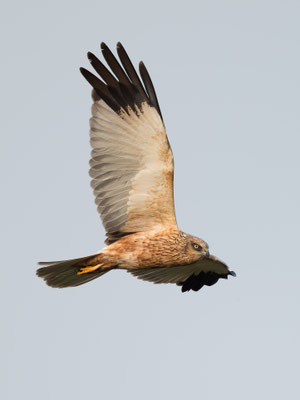
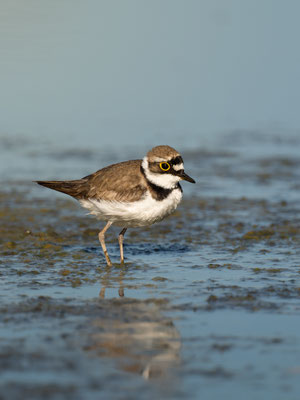
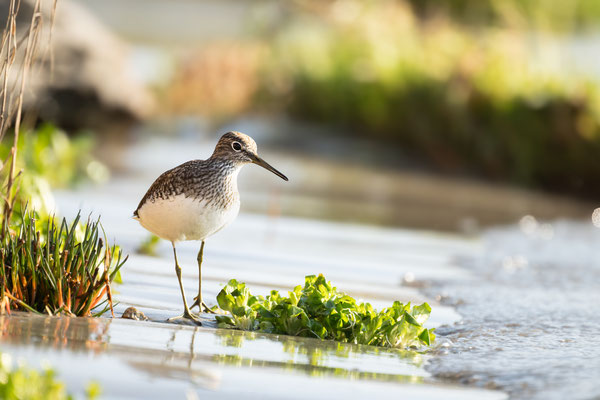
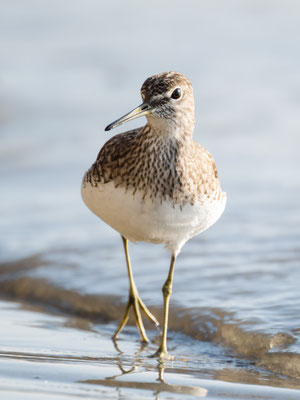
Large raptors are a year‑round element. Numbers of White‑tailed Eagle (Seeadler) patrol the Danube and big waters in winter and is still seen regularly in other seasons; it sometimes crosses the plain, watched nervously by ducks and geese. Red Kite (Rotmilan) quarters the fields, especially near the Wagram slopes, and Common Buzzard (Mäusebussard) is almost everywhere. Eastern Imperial Eagle (Kaiseradler) is rarer, but occasional birds hunt over the same open fields, so any very large, long‑tailed raptor is worth checking. On muddy edges and gravel bars starting from spring you can find Little Ringed Plover (Flussregenpfeifer) and Common Sandpiper (Flussuferläufer), with Green Sandpiper (Bruchwasserläufer) appearing too. In dense conifers near farms, communal roosts of Long‑eared Owl (Waldohreule) are visible in winter at there sleeping places, but some owls can be also found during the other seasons.
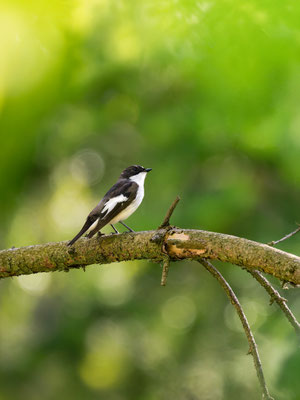
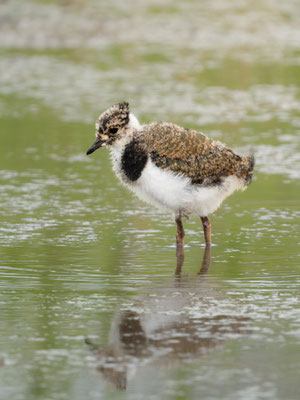
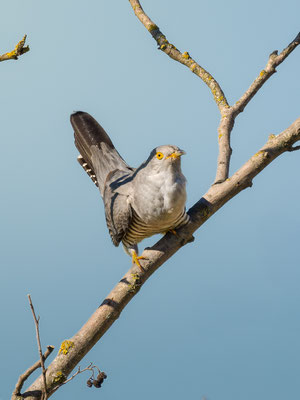
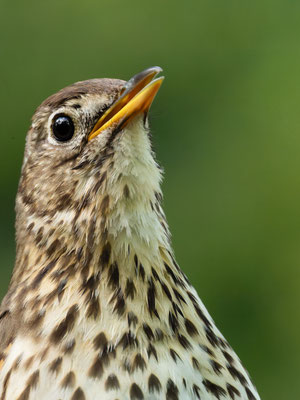
Seasonal song and movement change the feel of the same places. In spring, Northern Lapwing (Kiebitz) displays over damp meadows and later leads chicks; in small flocks of European Golden Plover (Goldregenpfeifer) pause briefly on short grass or ploughed fields for a short period of time. Skylark (Feldlerche) provides the background soundtrack over the plain, while Yellowhammer (Goldammer) is easy to spot on top of hedges and bushes. Hedges and riparian woods fill with Chiffchaff (Zilpzalp), Blackcap (Mönchsgrasmücke), Garden Warbler (Gartengrasmücke), Lesser Whitethroat (Dorngrasmücke) and Common Whitethroat (Klappergrasmücke). Icterine Warbler (Gelbspötter) sings from tall shrubs, Nightingale (Nachtigall) - one of my favorite birds - from dense thickets; with patience both can be seen briefly. Song Thrush (Singdrossel), Mistle Thrush (Misteldrossel) and Blackbird (Amsel) are common in parks and forest edges, and in some areas you hear Cuckoo (Kuckuck) and Golden Oriole (Pirol). Cuckoo can be also seen although it is hard to approach, but Golden Orioles are very hard to spot. At forest margins, Collared Flycatcher (Halsbandschnäpper) is possible.
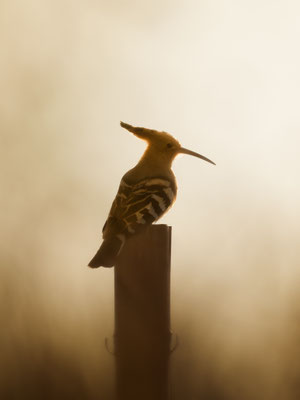
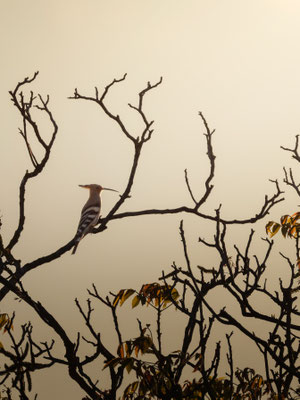
On the Wagram and in vineyards around Feuersbrunn, late spring and summer bring Red‑backed Shrike (Neuntöter) to posts and brambles, Stonechat (Schwarzkehlchen) to fence lines, and Linnet (Bluthänfling) and Serin (Girlitz) to weedy strips. Hoopoe (Wiedehopf) is a typical bird here, feeding on bare ground and crossing the tracks with its undulating flight. Little Owl (Steinkauz) breeds here but I wasn't successful finding them yet. Barn Swallow (Rauchschwalbe) hunts low over fields and farmyards. Higher up, you have wide views over the Tullnerfeld and can pick out Red Kites (Rotmilan) or a distant White‑tailed Eagle (Seeadler) or a Eastern Imperial Eagle over the plain.