
Betta dimidiata - Breeding Report
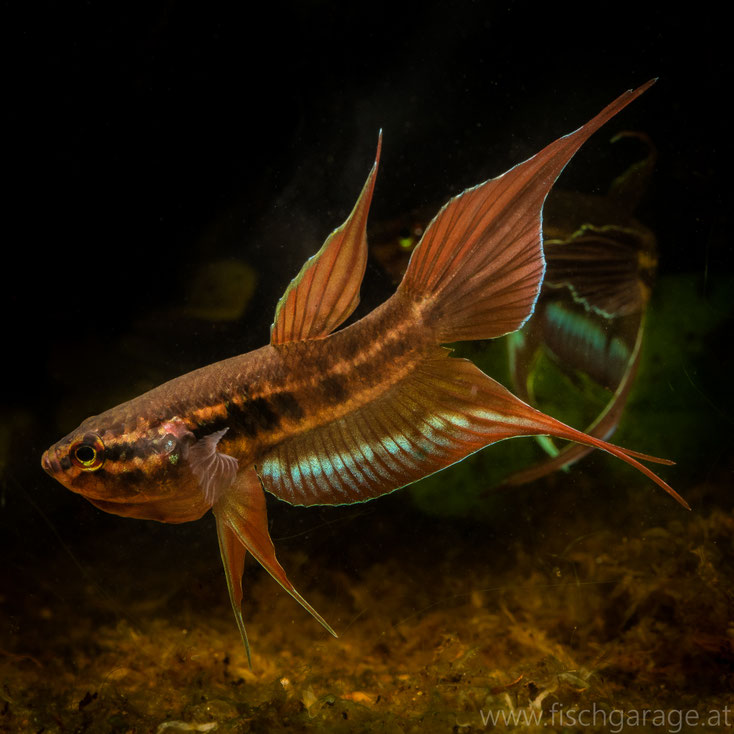
There are hardly any wild Betta species with more impressive fins than those of the males of Betta dimidiata (see Photo 1). It is hardly a drawback that their coloration is not particularly striking. This mouthbrooding species was described by Roberts in 1989 and is now assigned to the Betta dimidiata group of the same name. This group includes only one additional species, Betta krataios (Tan & Ng, 2006). According to Linke (2013), the species occurs in the Sungai Seriang region in West Kalimantan (see references for details). The habitat is a swamp area with soft and relatively acidic water conditions (pH around 5).
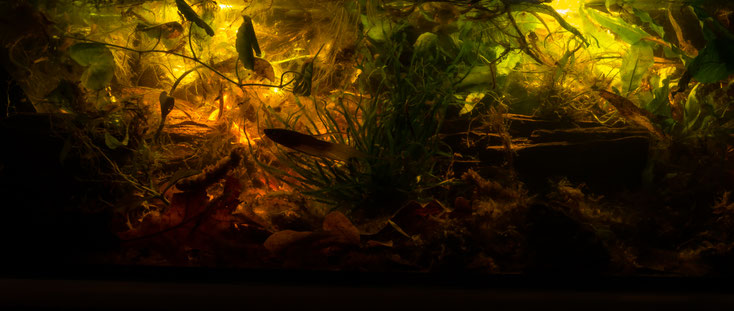
In the summer of 2017, three pairs (Ruinemans, without locality data) were introduced into a shallow tank with a base area of 110 × 30 cm. They developed very well there. The water parameters are soft (KH = 0; reverse osmosis) and acidic (pH around 4.5; peat sods), and the tank is richly structured with hiding places, Sphagnum moss, and many floating plants (see Photo 3). It should be noted that many aquarists report keeping this species under much more “moderate” conditions (harder, more neutral water), based on both written and oral accounts. I have even been told that losses can occur under highly acidic conditions. However, I have not been able to confirm these experiences myself, though caution is certainly advisable.
In terms of behavior, the very low level of intraspecific aggression is particularly noteworthy. Only after the summer, when the tank temperature had dropped to around 24 °C, did I observe the first mouthbrooding male. However, only two juveniles were successfully raised, so I decided to separate the fish the next time.
Soon after, all three males were carrying eggs, and within a few days, once I managed to catch them, they were placed into breeding nets within the main tank (see Photo 4). After about 14 days (up to a maximum of 16), the juveniles were released, and the adult fish were then returned to the main tank.
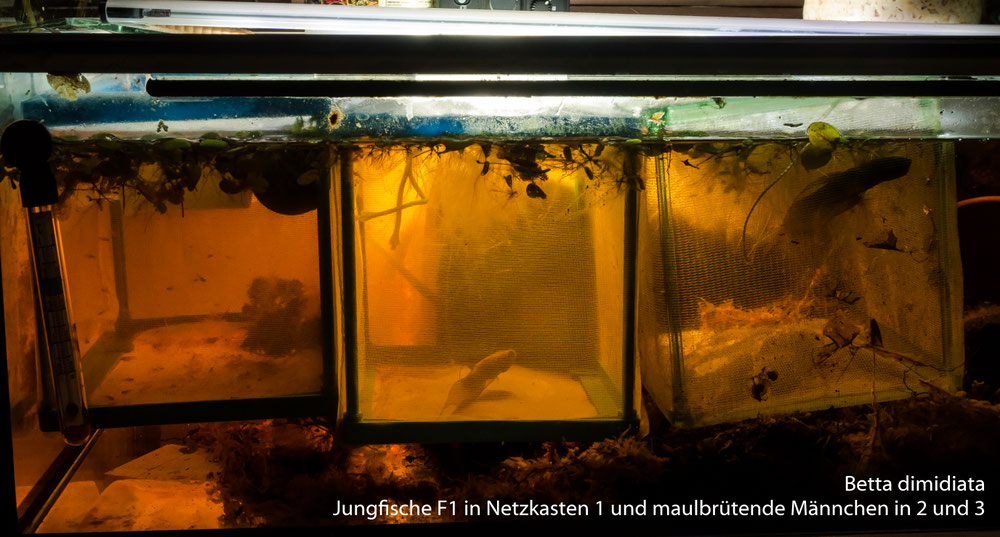
Breeding nets with Betta dimidiata in the main tank. Left: juveniles already released. Right: males still mouthbrooding.
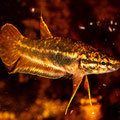


Mating and egg transfer in Betta dimidiata.
The juveniles (around 15–20 per brood) were fed vinegar eels and Artemia nauplii during the first weeks. After about one month, they were transferred and divided into two rearing tanks, each with a base area of 60 × 40 cm and the same water conditions as the main tank (see Photo 5).
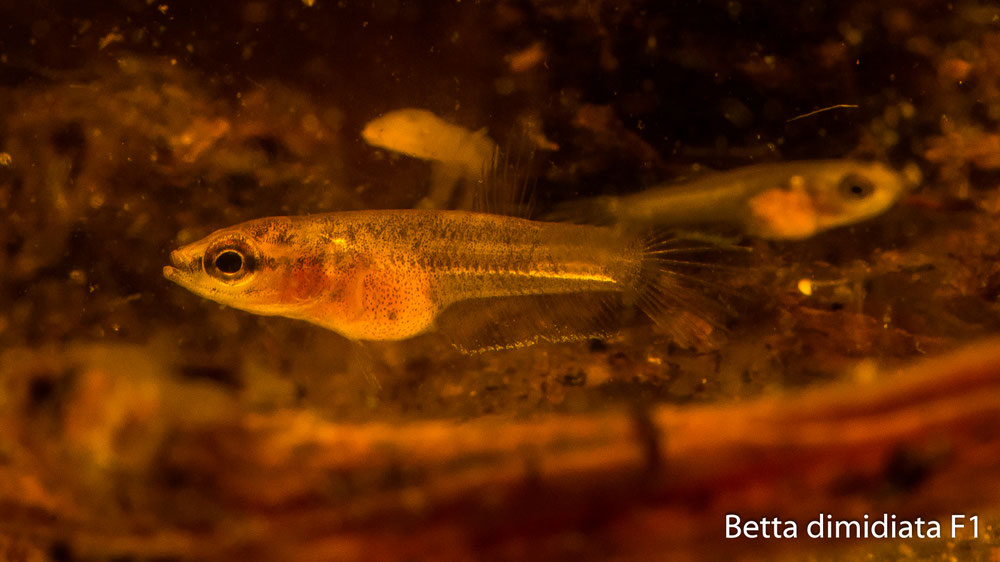
Photo 5: Juvenile Betta dimidiata in the rearing tank.
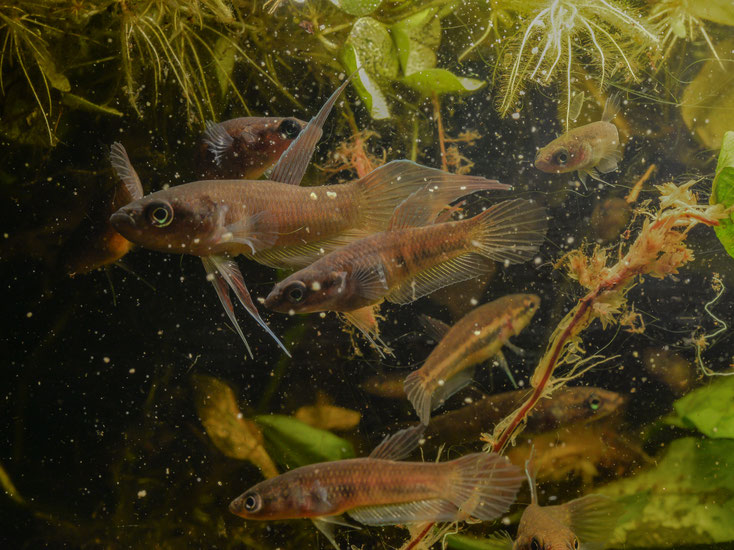
Betta dimidiata juveniles, a few months old.