Spring in the Austrian Seewinkel
I spent four days in mid-May 2026 in the Seewinkel. The days began early. Short before five in the morning, the light was already nice for a first photo session and after nine, the light turned hard and made things difficult. At times, light fog was present during the early morning hours.
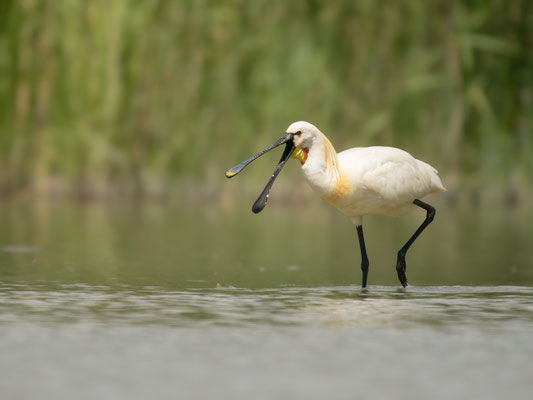
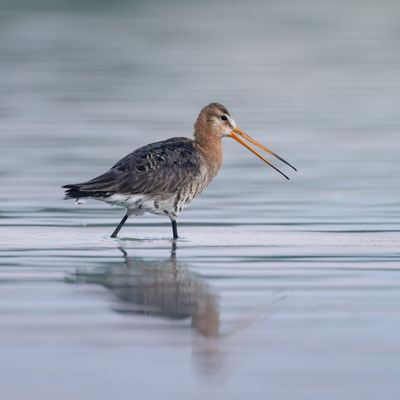
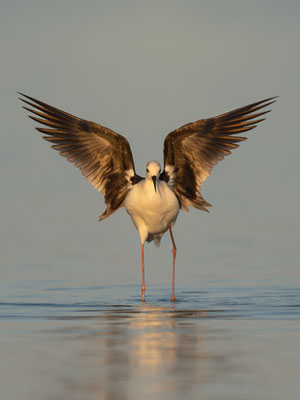
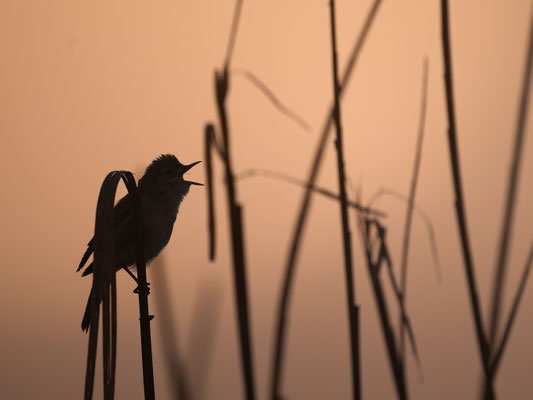
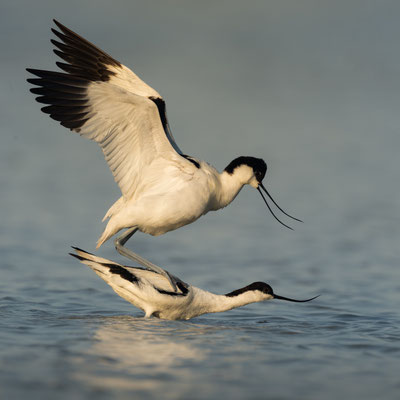
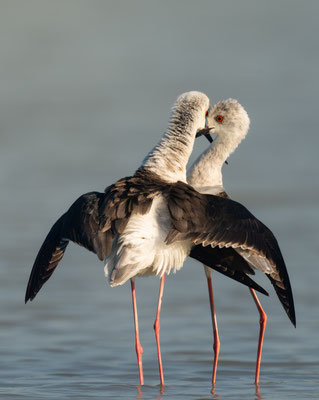
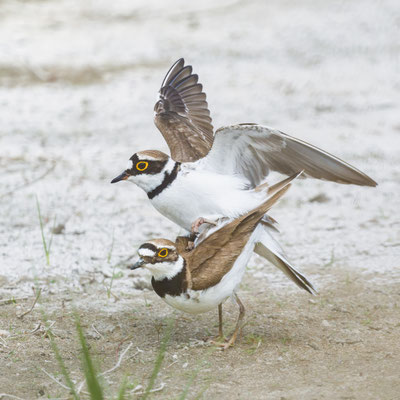
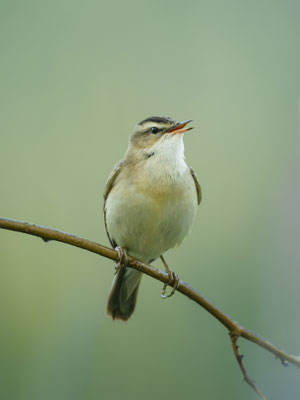
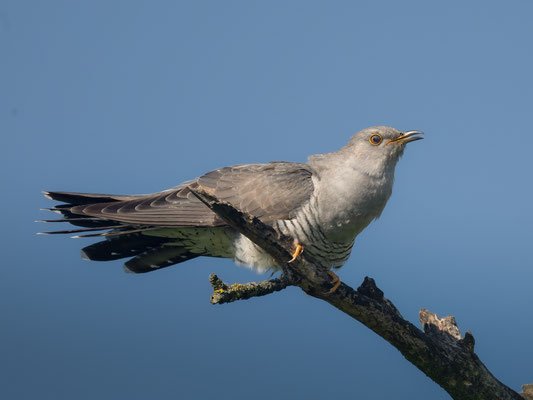
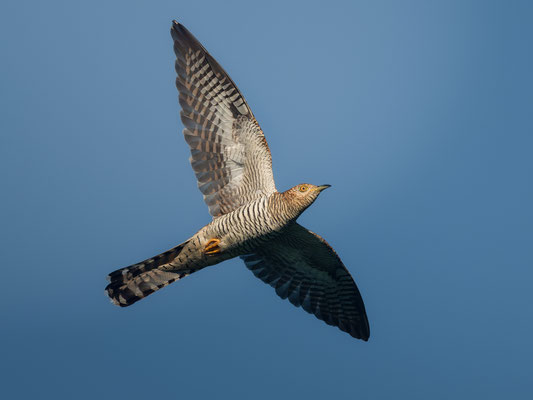
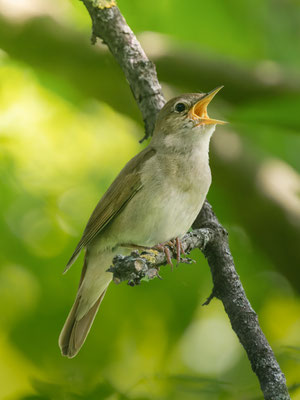
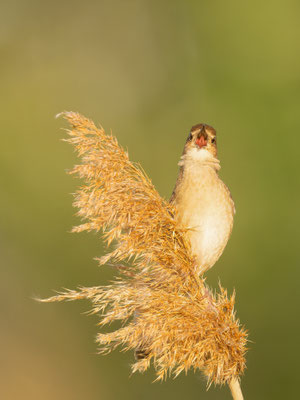
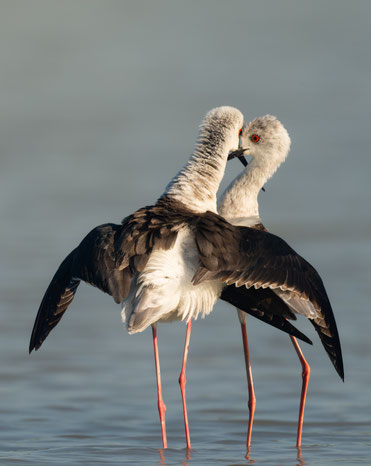
In the reed beds, the sound was dominated by Savi’s Warbler (Rohrschwirl, Locustella luscinioides), Great Reed Warbler (Drosselrohrsänger, Acrocephalus arundinaceus), Eurasian Reed Warbler (Teichrohrsänger, Acrocephalus scirpaceus), and Marsh Warbler (Schilfrohrsänger, Acrocephalus palustris). Once, there was a Moustached Warbler (Mariskenrohrsänger, Acrocephalus melanopogon), but only briefly. There were many cuckoos (Kuckuck, Cuculus canorus), especially near the Hungarian border. They were active and loud, often chasing each other in sharp territorial fights. Bearded Reedlings (Bartmeisen, Panurus biarmicus) moved through the reeds at times in small groups. They were present but difficult to photograph at this time of year, staying low and hidden. It is only later in the season, when their diet shifts, that they climb the reed stems and become more accessible. Among the waders, there were Black-winged Stilts (Stelzenläufer, Himantopus himantopus), Little Ringed Plovers (Flussregenpfeifer, Charadrius dubius), and Pied Avocets (Säbelschnäbler, Recurvirostra avosetta), many of them paired. Ruff (Kampfläufer, Calidris pugnax), Common Redshank (Rotschenkel, Tringa totanus), and Common Greenshank (Grünschenkel, Tringa nebularia) were also present. The Spoonbills (Löffler, Platalea leucorodia) stood out, moving slowly through the shallow water, but I saw them when light had turned already hard. Many Black-tailed Godwits (Uferschnepfen, Limosa limosa) were also present and nice to watch.
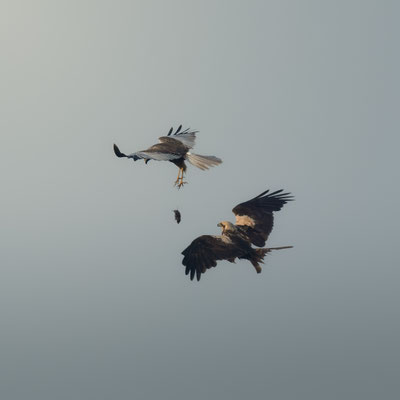
Raptors were common. Harriers (Weihen, Circus spp.) quartered low over the fields, and falcons (Falken, Falco spp.) passed through. A beautiful Eurasian Sparrowhawk (Sperber, Accipiter nisus) was also among them. In the reeds and wet meadows, there were Purple Herons (Purpurreiher, Ardea purpurea) and Little Egrets (Seidenreiher, Egretta garzetta).
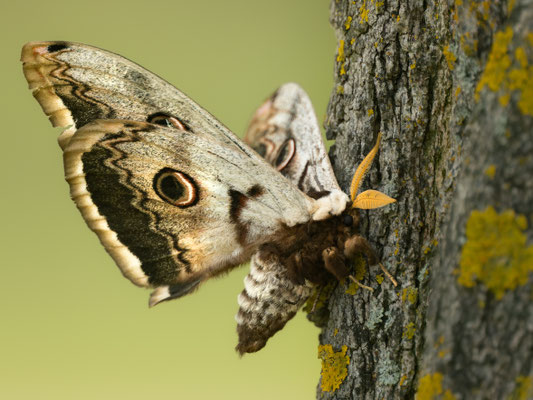
Another exciting sighting was a giant peacock moth (Saturnia pyri, Wiener Nachtpfauenauge) resting on a tree trunk during the day.
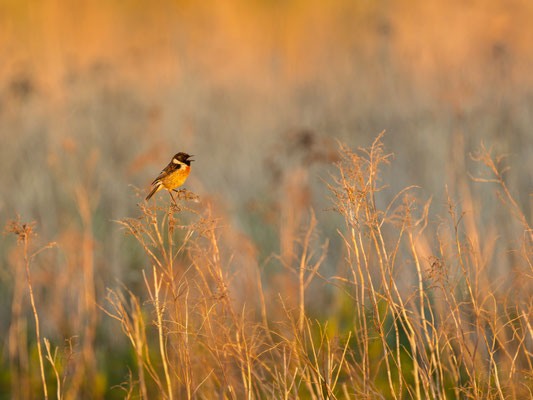
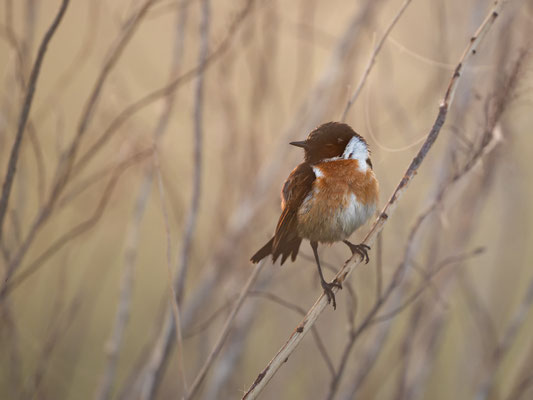
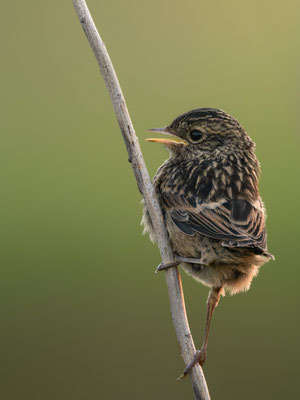
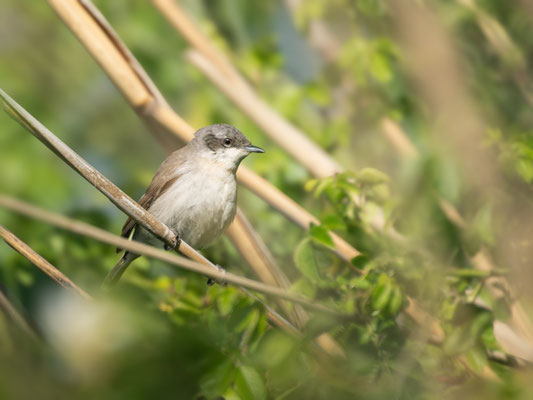
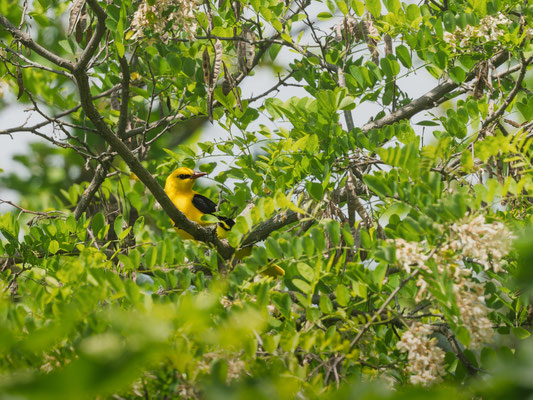
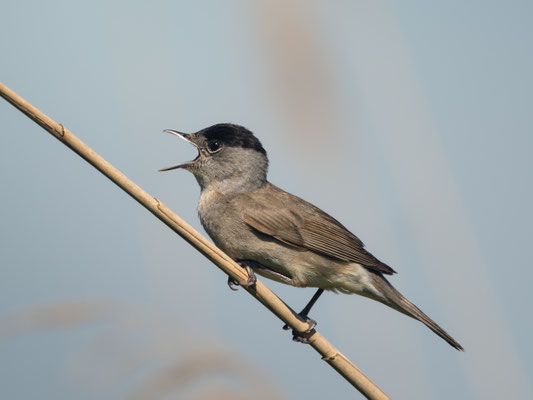
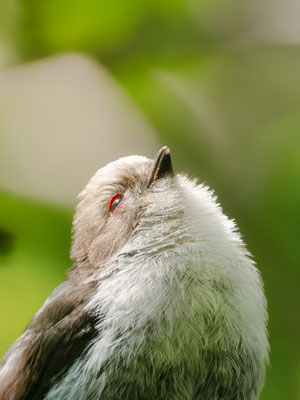
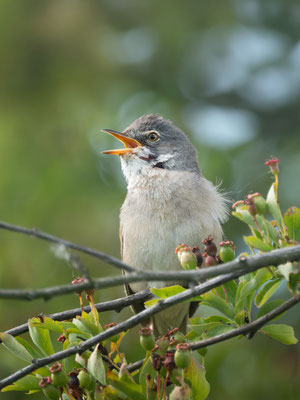
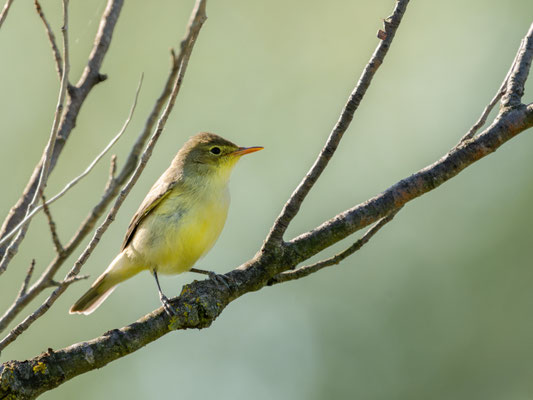
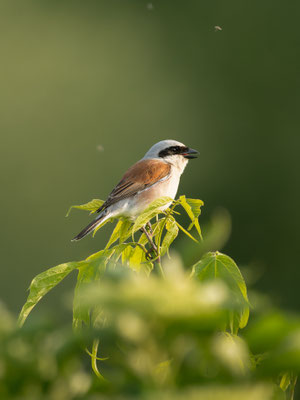
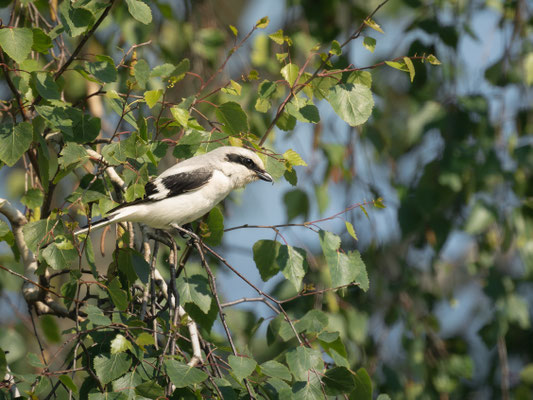
The smaller birds were more numerous than I had expected. Red-backed Shrikes (Neuntöter, Lanius collurio) were everywhere. I had not realized how common they are here. Great Grey Shrikes (Raubwürger, Lanius excubitor) added a contrast among them. Stonechats (Schwarzkehlchen, Saxicola rubicola) were among the highlights, including recently fledged juveniles. There were also Barred Warblers (Sperbergrasmücken, Curruca nisoria), Lesser Whitethroats (Klappergrasmücken, Curruca curruca), Common Whitethroats (Dorngrasmücken, Curruca communis), Long-tailed Tits (Schwanzmeisen, Aegithalos caudatus), Icterine Warblers (Gelbspötter, Hippolais icterina), and Grasshopper Warblers (Feldschwirle, Locustella naevia). In a park near a castle, I found Golden Orioles (Pirol, Oriolus oriolus).
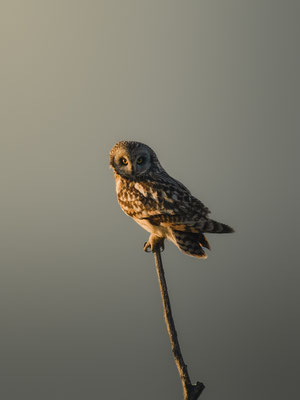
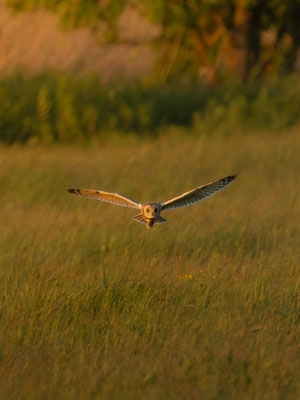
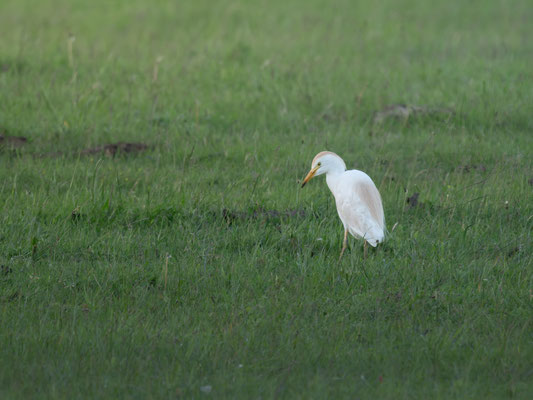
In the evenings, I focused on Short-eared Owls (Sumpfohreule, Asio flammeus). Several nights, I watched them hunting over the fields. They moved low and steady, sometimes harassed by crows and harriers. On some evenings, there were up to three birds visible at once. Their activity varied from day to day. From a photography standpoint, the distance was the main limitation. One bird perched at around 140 meters, but most sightings were beyond 250 meters. Still, it was enough to study their behavior and movement. While waiting for the owls, quails (Wachtel, Coturnix coturnix) called loudly from the tall grass but stayed hidden. On a few evenings, small groups of Cattle Egrets (Kuhreiher, Bubulcus ibis) walked slowly across the meadows just after sunset.